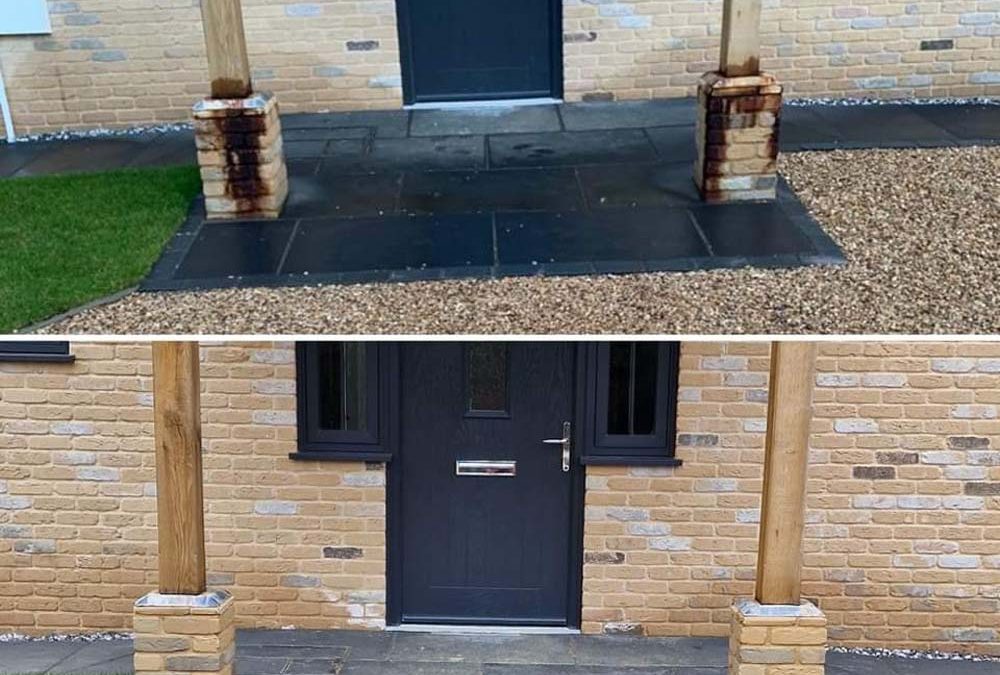
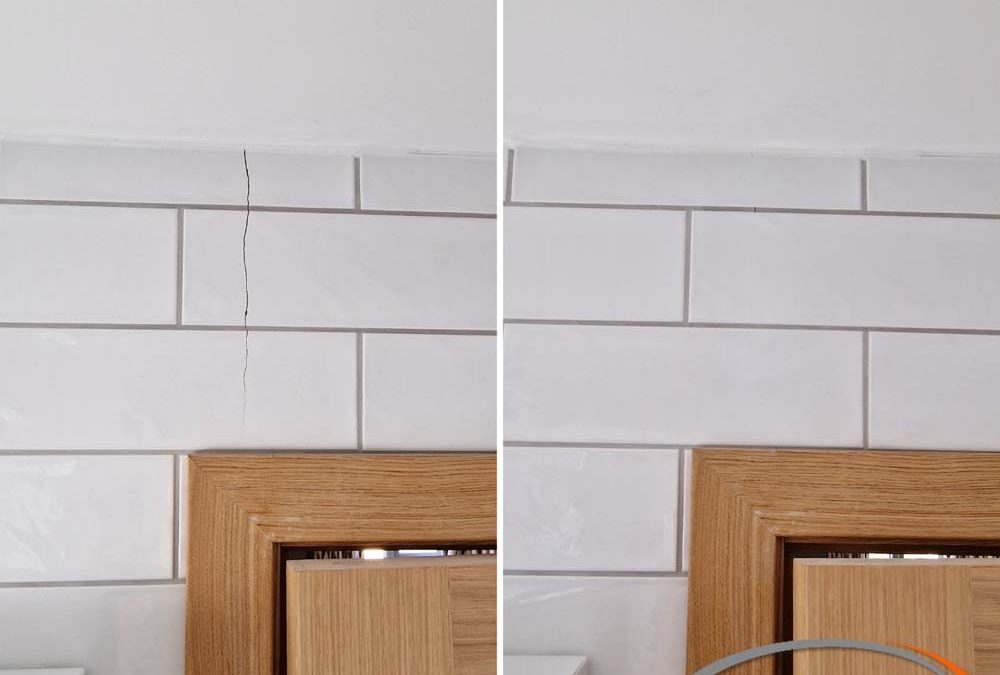
The price on the product is not the price of the job.
A cracked tile, a scratched floorboard, a chipped worktop, a damaged bath. Each of those has a replacement cost you can look up in ten seconds, and a real cost that only turns up once someone starts taking things apart.
This is a rundown of what replacement actually involves for the surfaces we get called out to most, so you can compare the whole job rather than the item.
Replacement costs that are easy to forget
Alongside the product itself, replacement usually means:
- Removing the existing item and paying to dispose of it
- Sourcing a match, and waiting for it to arrive
- Removing surrounding materials to get access
- One or more trades, booked around each other
- Making good afterwards
- The room being out of use while it happens
Then there is matching. Anything fitted more than a few years ago may well be discontinued, and where a close equivalent exists, differences in colour, pattern and wear can leave one new section looking more obvious than the damage did.
Across the repairs we carry out, our own research shows we regularly save clients between 50% and 70% against replacement. The exact figure depends on the job.
Tile replacement: what replacing one cracked tile involves
A cracked tile might be a few centimetres across. Replacing it is not a few centimetres of work.
Finding the match comes first. Tile ranges change constantly, and tiles sold under the same name vary between manufacturing batches, so even an available product may not sit right next to the ones around it.
Then the physical job: raking out grout, getting the damaged tile out without cracking its neighbours, preparing the bed underneath, fitting the replacement and regrouting. Where the damage is a chip, a scratch or a crack, the tile can stay where it is instead. We have covered repairing a chipped tile and whether a cracked tile can be repaired in detail.
Laminate floor replacement and replacing wooden floorboards
Flooring has the same two problems: access and matching.
Reaching one damaged board often means lifting the boards around it, which are perfectly fine. On a laminate floor fitted several years ago, the range may be discontinued, and even a close match will look newer than flooring that has worn and faded in place. Solid wood and engineered boards are the same.
Where the damage is cosmetic and localised, the floor stays down, and the affected area gets restored. Widespread movement, severe water damage, structural problems or a floor at the end of its life are genuinely replacement jobs and need a flooring specialist rather than a surface repair. A scratch on its own is not one of them.
Worktop replacement: why one chip can mean the whole run
Worktops are the clearest example of a small defect becoming a large job. Replacing one means removing the existing surface, disconnecting sinks and appliances, measuring and sourcing the replacement, cutting new sink and hob openings, refitting the fixtures, resealing the joints and disposing of the old run. Suitable damage gets repaired in place as part of our worktop and table restoration service instead.
Matching is harder here than almost anywhere. Quartz, granite and laminate all vary in colour and pattern, and if the worktop runs across several sections of the kitchen, a replacement that does not match means replacing more than the damaged piece.
Bath and shower tray replacement
A new bath or tray looks affordable on its own. Getting the old one out is the expensive part.
A bath means plumbing, panels, sealant, tiling and making good. A shower tray is worse, because it is surrounded by a finished bathroom on every side: the enclosure comes off, the waste gets disconnected, the tiling and sealant get disturbed, and then all of it goes back. That is a lot of work for one chip or one repairable crack, which is why both are covered by our baths, sinks and shower tray repair service.
Replacement costs time as well as money
Finding the product, arranging delivery and coordinating trades all take days that a repair does not.
In an occupied home, that is an inconvenience. On a rental turnaround, it holds up the next tenancy. In a hotel, it takes a room out of service. On a development, it holds up snagging and handover at the point where the programme has least slack in it.
When replacement is the right answer
Repair is not always the answer, and a surface repair should restore something serviceable rather than disguise something that needs replacing.
Replacement is the sensible call where there is extensive damage across a large area, structural failure, significant movement, severe or widespread water damage, or where the item is already near the end of its usable life. It is also the answer where the underlying cause has to be resolved first, because repairing the surface while the cause is still there gets you nowhere.
The useful question is not whether repair is cheaper. It is whether the existing surface can be properly repaired and carry on doing its job.
Find out whether your surface can be repaired
If you have a damaged tile, floor, worktop, bath, shower tray or any other hard surface, send your local Snag Doctor team clear photographs of the affected area.
We will assess whether it suits a professional repair and give you a free, no-obligation quote.
Before you replace it, find out whether you can restore it.